
Bankable Waste-to-Energy & Fuels Infrastructure.
OVERVIEW
Hamtracom develops scalable municipal waste conversion projects that reduce landfill pressure, strengthen energy resilience, and mobilize private capital through bankable project structures.
Waste management
·
Energy resilience
·
Jobs
·
Climate impact
Waste management · Energy resilience · Jobs · Climate impact
Our Process
-

Feedstock Intake & Sorting
Municipal waste is received, weighed, inspected, and mechanically sorted to isolate usable fractions and remove contaminants.
-

Pre-Processing & Conditioning
Selected waste fractions are shredded, dried, and conditioned to consistent specifications for stable, efficient downstream conversion.
-

Conversion & Energy Recovery
Conditioned material is converted in controlled reactors, producing usable energy and fuel intermediates with emissions managed to compliance.
-

Product Refining & Residual Management
Fuel products are refined and stored; inert residues are safely handled, with metals recovered and ash managed responsibly.
WHAT SETS US APART
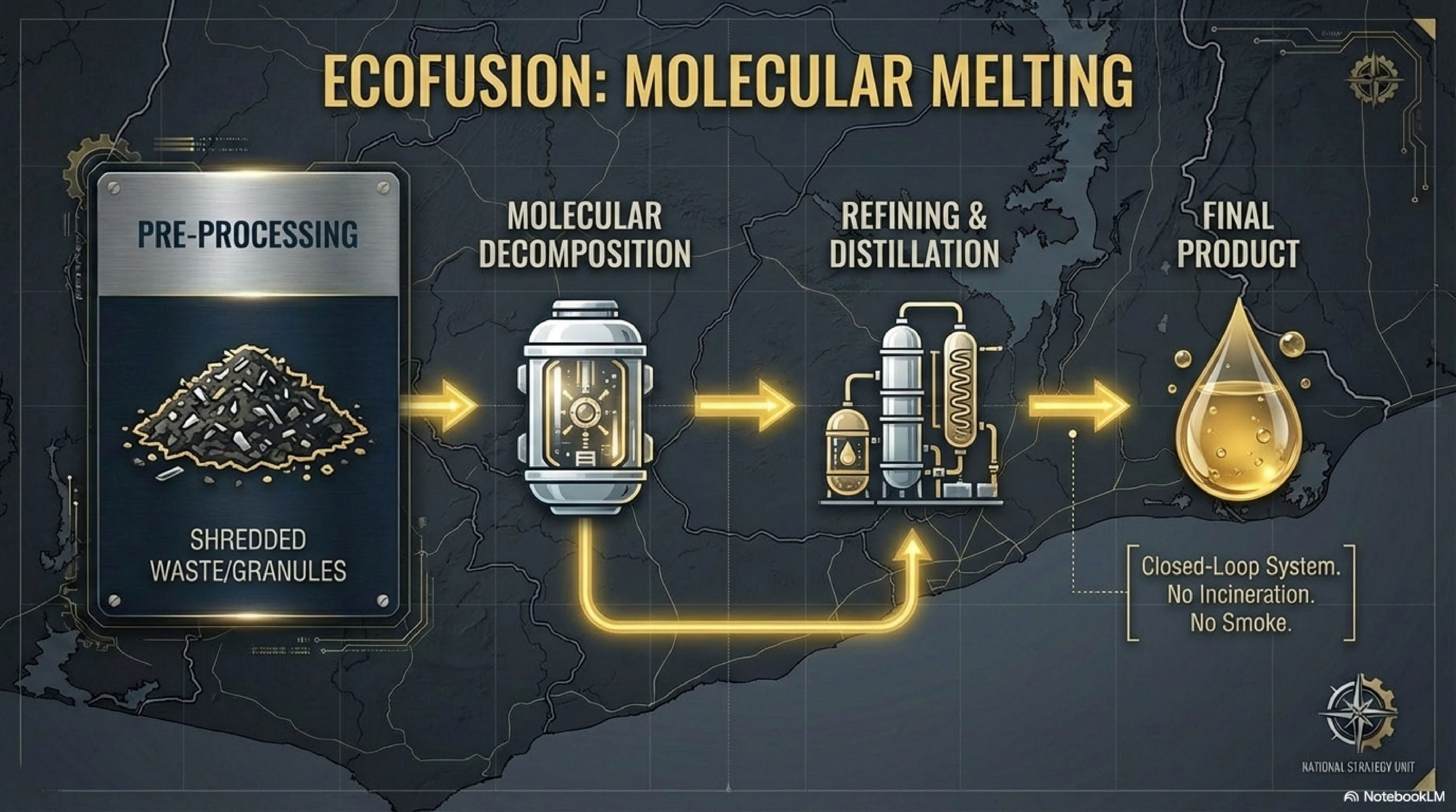
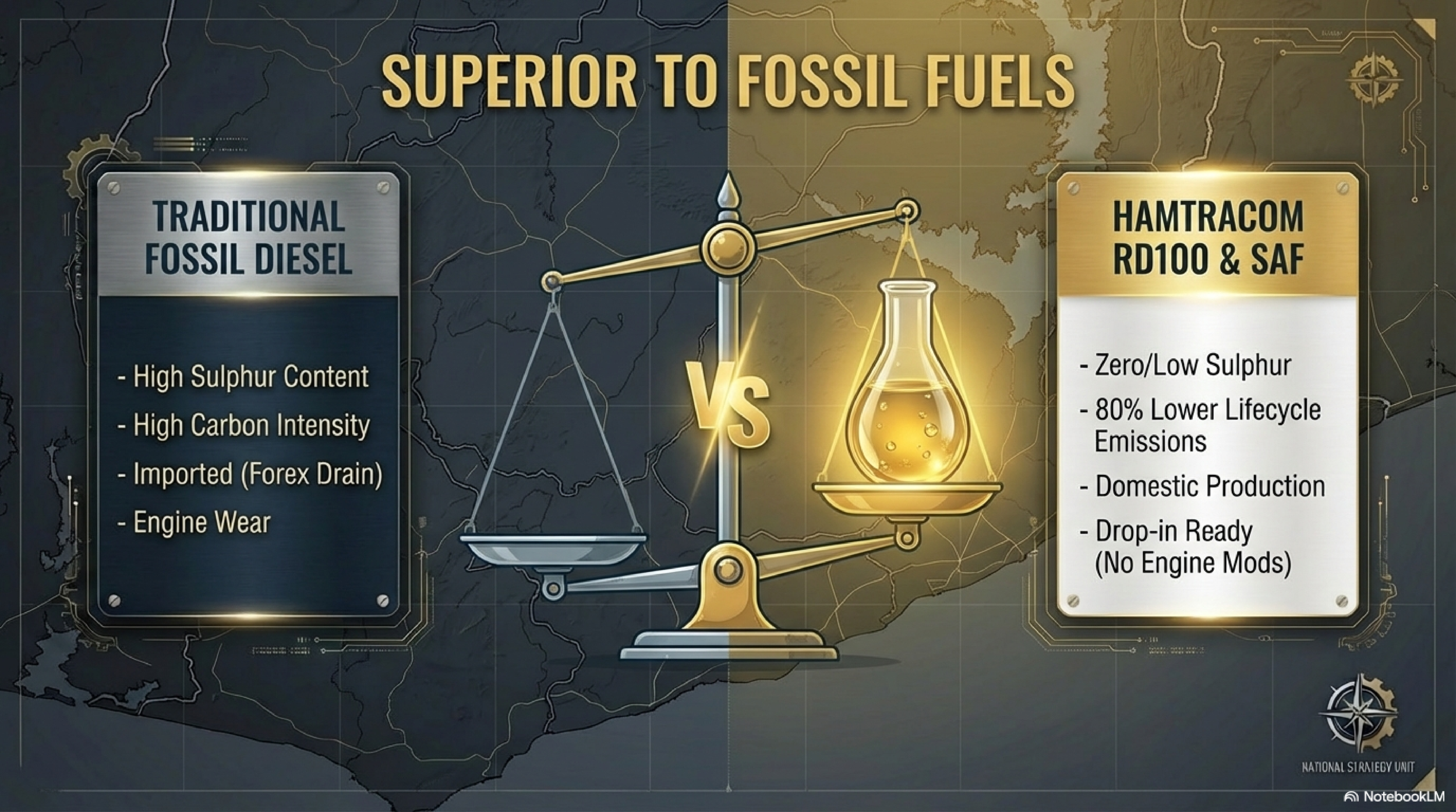
Guided by integrity, creativity, and empathy, RD100’s four-step process turns a public waste problem into a structured, bankable opportunity. We receive and sort municipal waste to reduce landfill pressure and improve sanitation outcomes, then condition materials to ensure reliable, efficient conversion.
Through controlled processing, RD100 produces usable energy and fuel outputs that strengthen resilience and support industrial activity, while maintaining a clear compliance pathway. Finally, refining and responsible residual management maximize value recovery, creating jobs, unlocking local supply chains, and converting a recurring municipal cost into measurable economic impact for communities, partners, and the broader economy.
LET’S GET STARTED
Our RD100 team is ready to deliver the discipline, diligence, and technical expertise needed to move from municipal waste challenge to bankable energy and fuel outcomes responsibly and reliably.